Easy Meal Prep Ideas for Beginners
A small-batch approach to prepping grains, vegetables, and proteins without spending your entire Sunday in the kitchen.
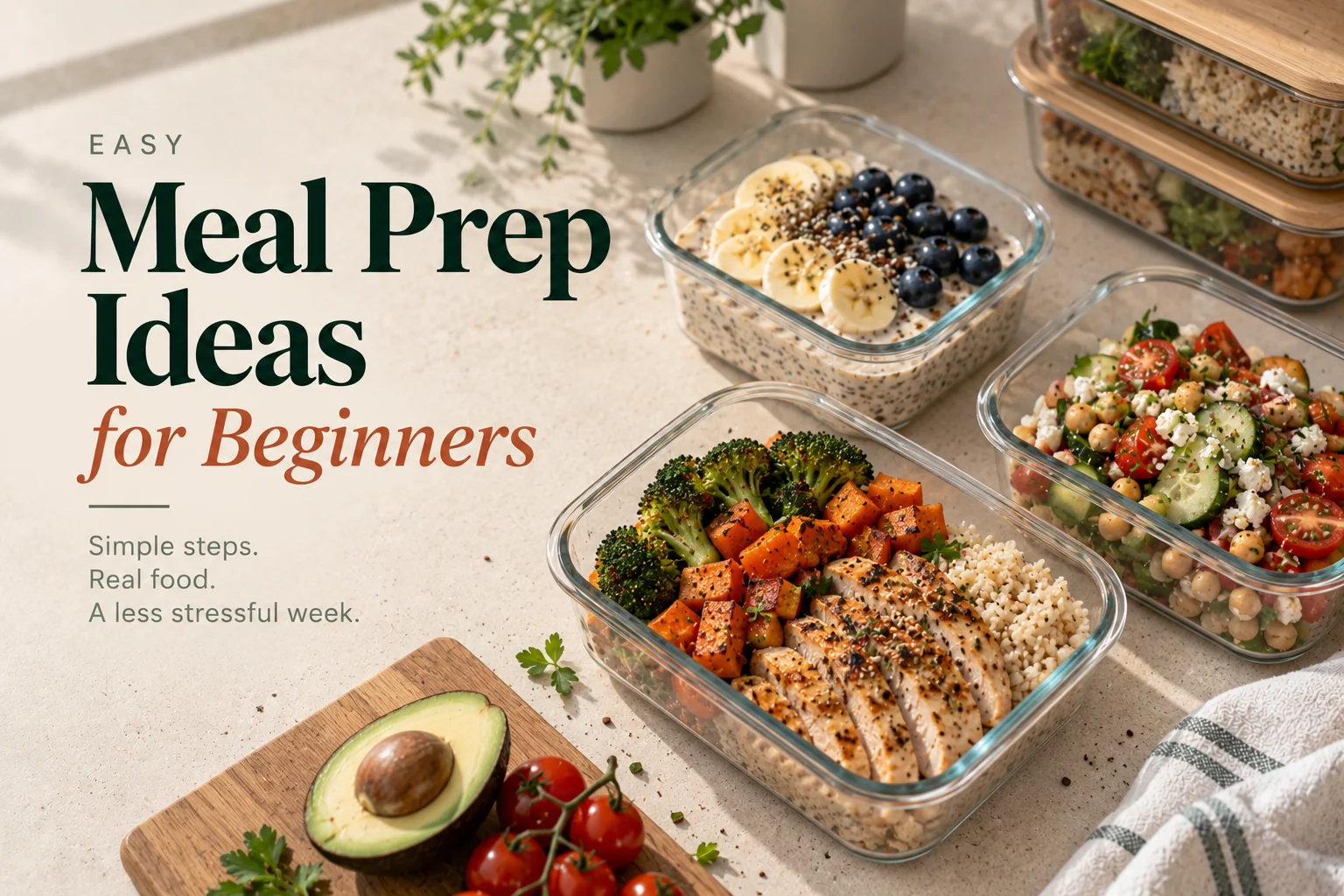
Meal prep is not limited to matching containers and identical lunches. It can be as simple as washing fruit, cooking rice, or preparing a dressing that makes tomorrow’s dinner easier.
If you are starting out, aim for one or two days of support rather than an entire week’s menu. A small session helps you learn what you actually use and what ends up forgotten in the refrigerator.
Choose three things to prepare
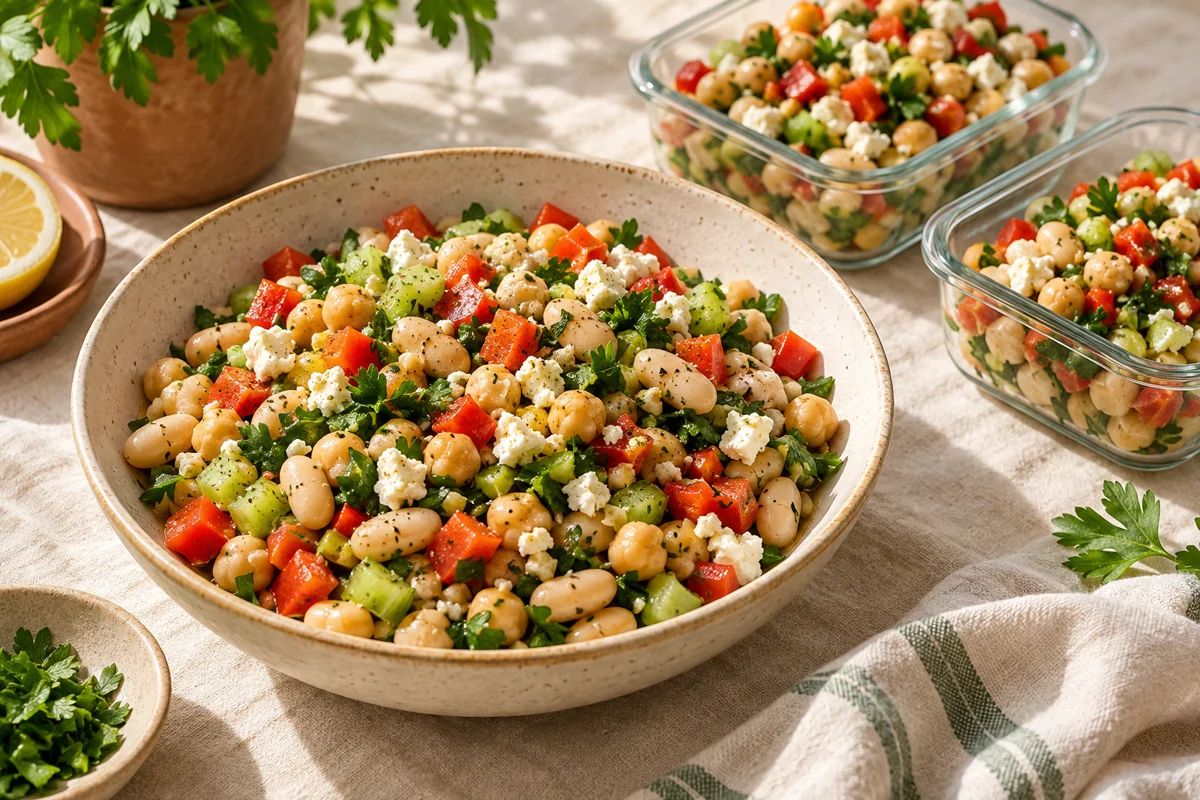
Pick one grain or starch, one protein food, and one vegetable. For example, cook rice, warm and season chickpeas, and roast carrots. These can become a bowl, a pita filling, or a side for dinner.
Other useful combinations include potatoes, cooked eggs, and washed greens; pasta, lentils, and roasted peppers; or couscous, tofu, and steamed broccoli. You do not need to make every element from scratch. Our easy weeknight dinner ideas show how familiar ingredients can become different meals.
A simple first session
- Check what you already have. Write down two meals you want to make easier. This keeps the shopping list focused. If you would like a menu to work from, use our flexible seven-day meal plan to choose those meals.
- Start the longest task. Put the potatoes or vegetables in the oven, then cook your grain according to package instructions.
- Prepare your protein food. Drain and season beans, cook tofu, or prepare another protein safely.
- Make one flavor helper. Mix olive oil, lemon juice, and herbs, or use a sauce you already enjoy.
- Portion and label. Put cooked food in shallow containers and refrigerate promptly. Label containers with the preparation date so you do not have to remember.
You might need an hour the first time. The point is to reduce work later, not to finish within a strict timer.
Store components separately
Keeping grains, vegetables, and sauces in separate containers gives you options. The same ingredients can become a warm bowl one day and a wrap the next. Store wet dressings away from crisp greens to help preserve texture.
Use food-safe containers with secure lids. A small number of reusable containers is enough to begin; you do not need a new kitchen system before you can prepare lunch.
Food safety comes first
USDA recommends keeping refrigerated food at 40°F or below. Refrigerate perishable leftovers within two hours, or within one hour if temperatures are above 90°F. Divide large amounts into shallow containers so they cool more quickly.
Use refrigerated leftovers within three to four days, or freeze portions for later. Reheat leftovers to 165°F, measured with a food thermometer. Store and handle raw ingredients according to their own safety requirements; the leftovers timeline is not a universal rule for every food.
Do not leave cooked food on the counter to cool for hours. If storage conditions were unsafe or you are unsure how long food has been out, discarding it is safer than relying on smell or taste.
Build two meals from one prep
Day one: a grain bowl. Combine rice, chickpeas, and carrots with greens and dressing. Add more food or toppings according to your appetite.
Day two: a warm wrap. Reheat the rice, chickpeas, and carrots safely, then put them into a tortilla with cabbage and a different sauce. The ingredients overlap, but lunch feels different.
If planning the whole week yourself feels like the difficult part, you can explore a more structured weight-management meal plan and use meal prep to make that routine easier to follow.
Find your smallest useful habit
Perhaps you do not like reheated grains but love having chopped vegetables ready. Or maybe a frozen portion of soup is more valuable than a planned lunch. Let the useful parts guide your routine.
Start small: Prep one component you use twice this week. When that feels easy, add a second. There is no prize for spending your entire Sunday cooking.
Meal prep works best when it gives you time back. Keep the routine simple enough that you want to do it again.
A few common questions
Can I adapt these ideas to my preferences?
Yes. These are flexible meal ideas. Adjust ingredients and portions to your appetite, budget, allergies, and any advice from your own care team.