6 Rotisserie Chicken Dinners for Two Beyond Another Salad
Turn cooked rotisserie chicken into six practical dinners for two, with portion planning, simple sides, and safe storage reminders.
A rotisserie chicken can remove one job from dinner: cooking the main protein. It does not remove the need to decide what goes beside it, how much meat you have, or when the leftovers need to be used.
These six ideas are alternatives for two people, not a promise that one chicken will supply six nights. For each dinner, start with about 6 ounces of cooked boneless chicken total and adjust for appetite and the other ingredients. If you have more or less meat, choose the meal that fits the amount you actually have.
Portion the chicken before planning the week
The usable meat from a purchased chicken varies. Remove it from the bones with clean utensils, portion what you need, and refrigerate promptly. Keep track of when the chicken was purchased and any storage directions from the seller.
FoodSafety.gov lists cooked poultry leftovers at three to four days refrigerated. Freeze portions early if they are intended for later, rather than keeping cooked chicken in the fridge for a full week. Reheated leftovers should reach 165°F, according to its safe-temperature chart.
Six dinners that use the shortcut well
1. Chicken, white bean, and spinach bowls
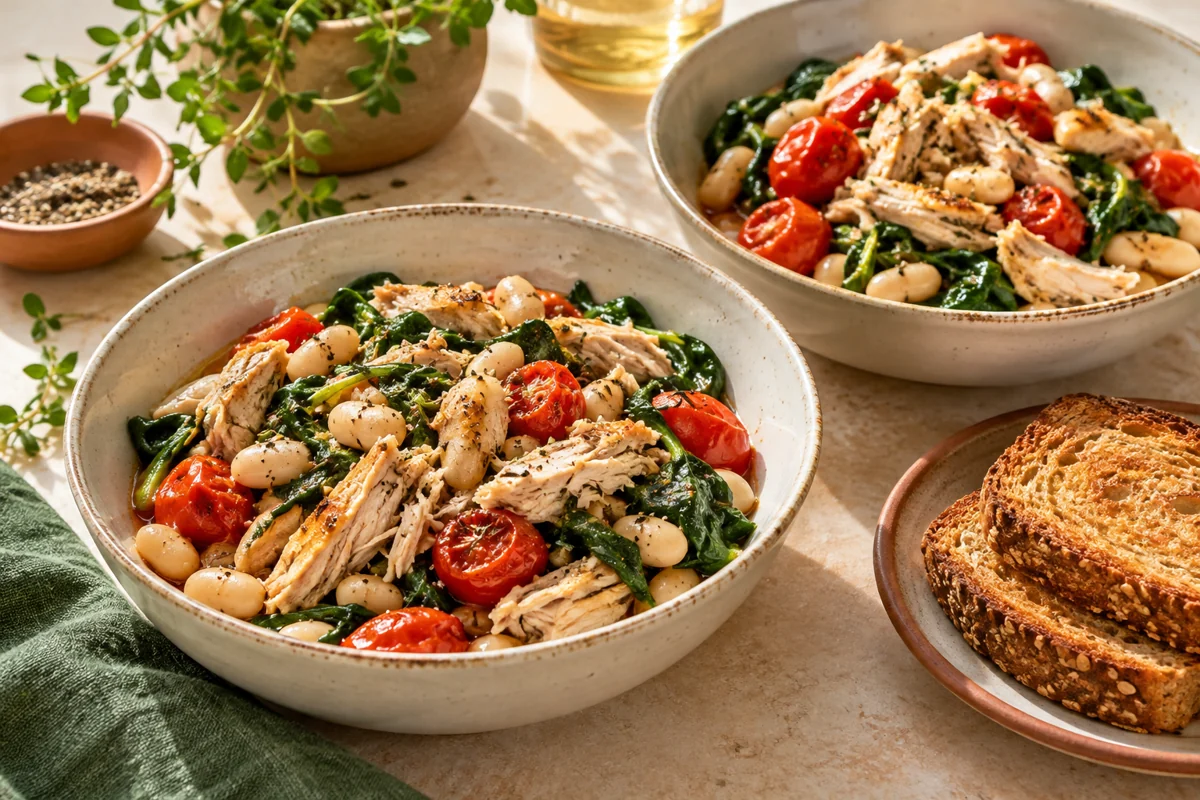
Warm one drained 15-ounce can white beans with a little olive oil, a splash of water, and halved cherry tomatoes. Add spinach and let it wilt. Stir in shredded chicken and heat through safely.
Serve in two bowls with toast and a little lemon juice. Mash a few beans if you want a creamier broth without adding another ingredient. This is a useful option when the chicken portion is modest because the beans are an important part of the meal.
2. Chicken and cabbage tacos
Warm shredded chicken with a little water and mild taco seasoning. Slice cabbage finely and dress just the amount you need with lime or lemon juice and a pinch of salt. Pack chicken into small tortillas and add the cabbage at the table.
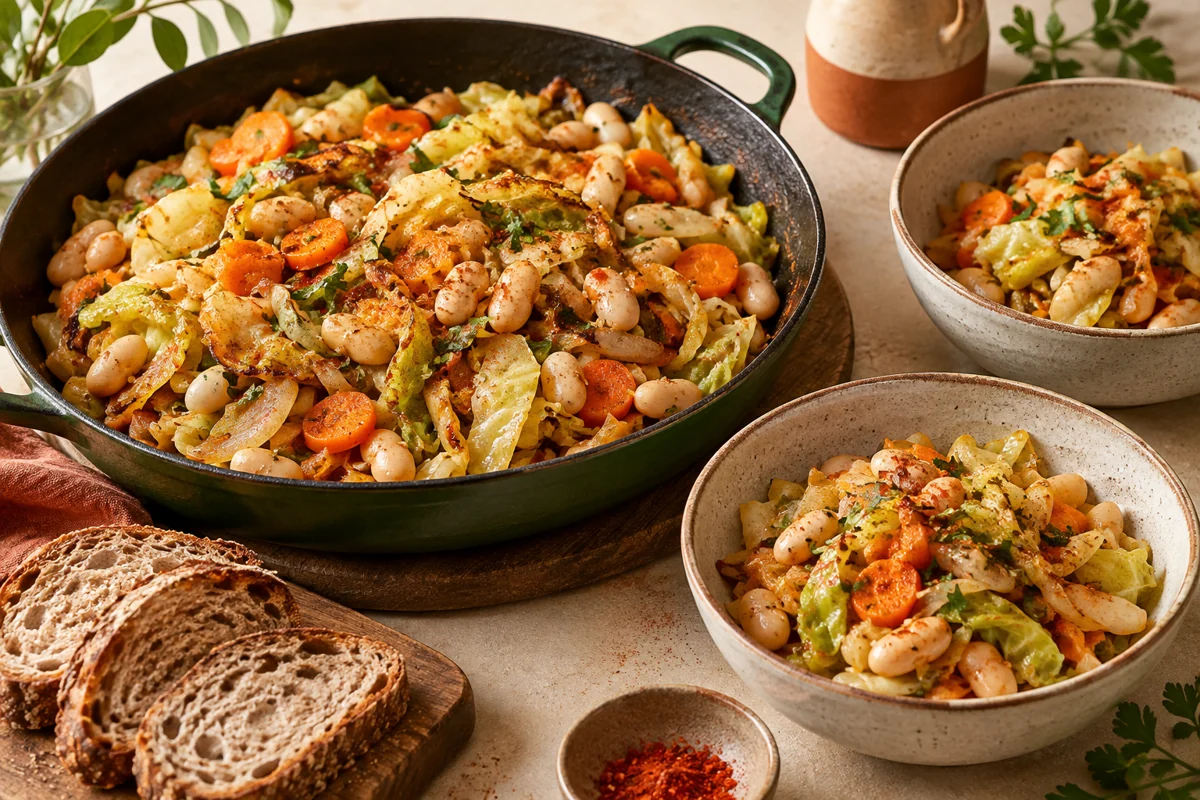
Serve with beans or another side if needed. Keeping the slaw separate preserves crunch and makes leftover components easier to reuse. For more cabbage cooking ideas, try our white bean and cabbage skillet.
3. Lemon chicken couscous bowls
Cook 3/4 cup dry couscous according to its package. Prepare broccoli, carrots, or another vegetable you have, then add chicken. Finish with lemon, olive oil, and optional yogurt sauce.
Warm the chicken separately if the grain is not hot enough to reheat it thoroughly. Do not assume stirring cold chicken into warm couscous makes the chicken safe to serve hot. Add the yogurt sauce after heating.
4. Chicken and pea pasta
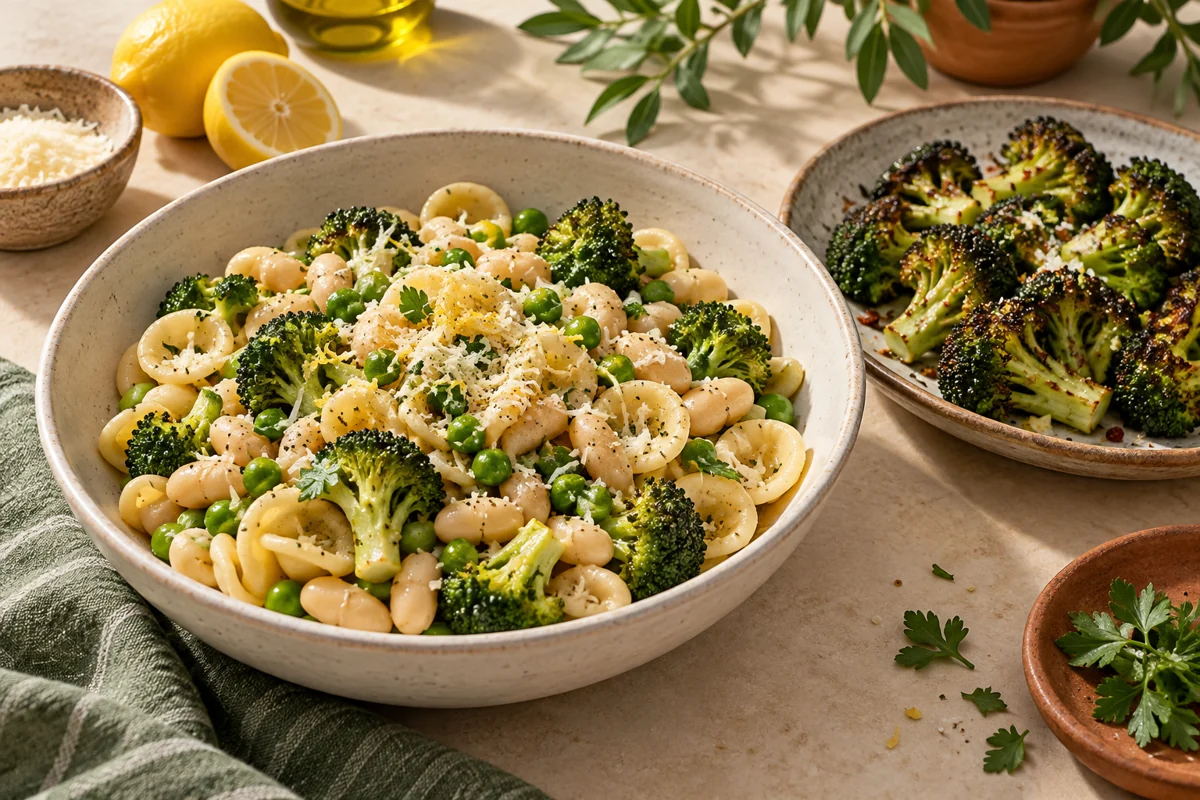
Cook about 6 ounces dry pasta for two starting servings. Prepare frozen peas according to their package directions. Combine with shredded chicken, a little reserved pasta water, olive oil, lemon zest, and grated Parmesan if desired.
Heat the chicken adequately while avoiding prolonged cooking that dries it out. Add pasta water gradually so the sauce coats the pasta instead of collecting at the bottom. Our frozen-vegetable dinner guide offers more ways to use freezer ingredients without a watery result.
5. Loaded baked potatoes
Bake two potatoes until tender using your usual method. Warm chicken with a few spoonfuls of salsa and drained black beans, then spoon over the potatoes. Add plain yogurt and chopped scallions after heating if you like.
This meal changes easily with what is open in the fridge. Use leftover cooked broccoli instead of beans, or keep the filling simple and put a vegetable on the side. Potato size matters, so choose portions that suit the meal you want.
6. Quick chicken and vegetable soup
Soften diced onion and carrots in a little oil, add broth, and simmer until the vegetables are tender. Add shredded chicken and a small amount of cooked grain, pasta, or white beans. Heat the chicken through safely before serving.
This is a small soup project, not a requirement to make stock from the carcass. Use the broth you have and adjust salt after adding chicken, since purchased chickens and broths can already be seasoned.
Prevent the dry-chicken problem
Cook the vegetables or grain first, then add the already-cooked chicken for the reheating stage. A little broth, sauce, or water can help protect texture. The goal is to reach a safe reheating temperature without repeatedly simmering the same chicken.
Take only the portion you need from the refrigerator. Avoid heating the entire supply each time and chilling the remainder again. Freeze individual portions that will not fit your near-term schedule.
For meals that do not rely on purchased chicken, the easy healthy dinner roundup includes beans, tofu, eggs, and other starting points.
Keep the shopping list short
Pick two dinner ideas that share a vegetable or grain. Chicken tacos and loaded potatoes can both use black beans and yogurt; couscous bowls and soup can share carrots. You do not need every topping listed here.
A convenience ingredient earns its place when it reduces the total work. If buying a chicken leads to six extra purchases and food you will not use, choose a simpler combination and freeze the remaining meat promptly.
A few common questions
Will one chicken make all six dinners?
No such yield is promised. These are six options, not a six-night plan. Weigh or portion the usable cooked meat from your actual chicken, and choose meals accordingly.
Can I use home-cooked chicken instead?
Yes. Use safely cooked chicken, keep track of its original cooking date, and follow suitable storage and reheating guidance.